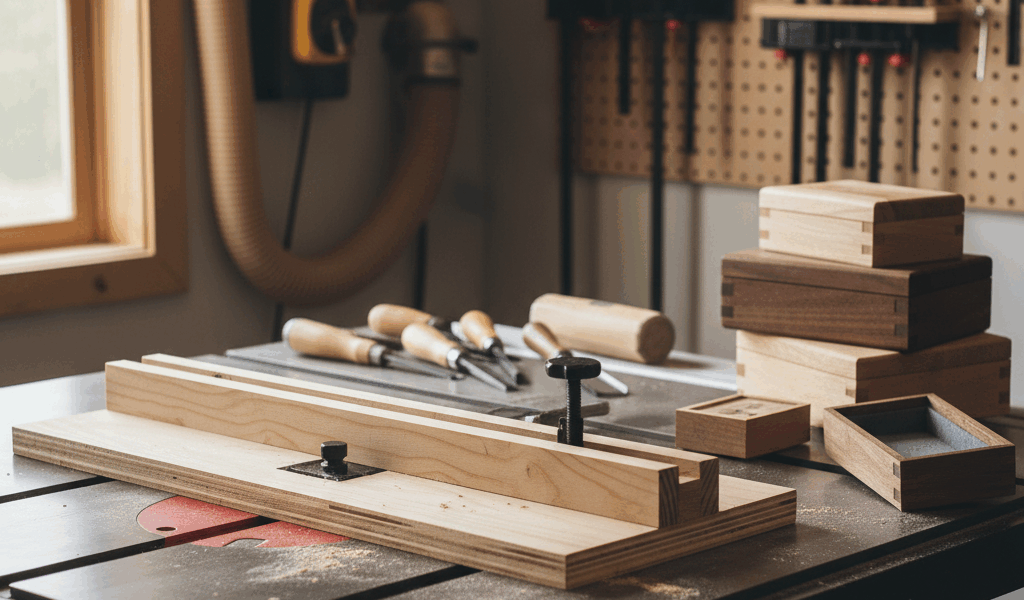
As someone who’s been running a small carpentry operation for over a decade, I learned everything there is to know about what it takes to get started. Today, I will share it all with you — well, the top three things, at least. If you’ve ever thought about turning your love of building stuff into a real business, here’s what you should know.
1. You Need Way More Skills Than Just Cutting Wood
Starting a carpentry business has gotten complicated with all the regulations and competition flying around. It’s not enough to be handy with a saw anymore. You need math skills for measuring and estimating materials. You need an eye for design so clients trust your judgment. And honestly, you need to understand different wood species — because recommending pine where oak should go will cost you a reputation fast.
I didn’t appreciate this when I started out. I figured good craftsmanship would speak for itself. And it does, eventually. But you’ve also got to handle bookkeeping, client communication, and building codes. Nobody tells you about the paperwork mountain waiting for you on the other side of that first contract.
2. Your Tools Are Everything
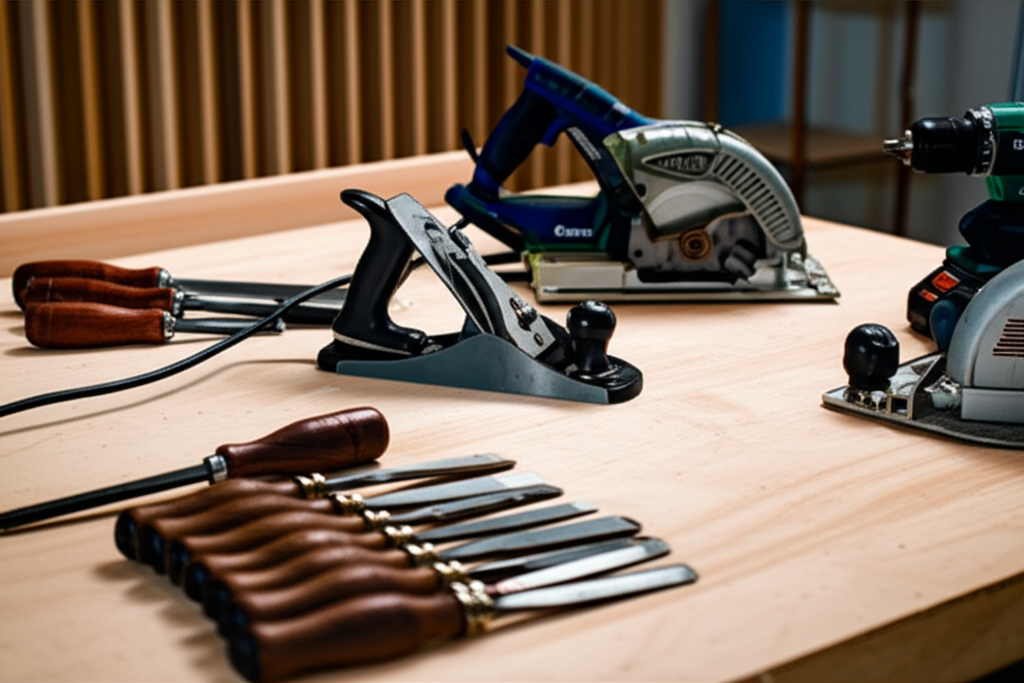
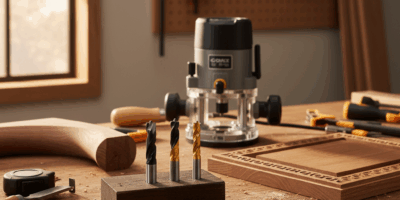
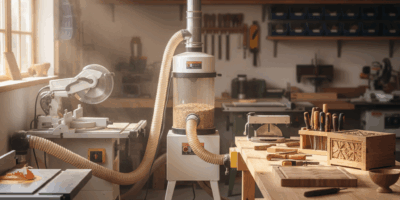
In this business, your tools are your livelihood. I started with a basic hammer, a circular saw, a tape measure, and a drill. That got me through the first few jobs. But as projects got more involved, I added routers, sanders, and eventually a decent table saw that I probably should’ve bought sooner.
Probably should have led with this section, honestly. Tools make or break your efficiency. Buy quality where it counts — especially measuring tools. A cheap tape measure that’s off by 1/16″ will haunt you on every single project. Trust me on that one.
3. Wood Selection Can Make You Stand Out
Here’s something I wish someone had told me early: knowing your wood species is a superpower in this trade. Oak is strong and classic. Pine is forgiving and affordable. Cherry ages beautifully. Maple is gorgeous but will fight your tools if they aren’t sharp.
Clients notice when you can explain why you’re recommending a particular species for their project. That’s what makes custom carpentry endearing to us craftspeople — every piece of wood has personality, and matching it to the right project is half the art.
The Bottom Line
Starting a carpentry business takes patience, practice, and more learning than you’d expect. But if you genuinely love working with wood, there’s nothing quite like handing a client something you built with your own hands and watching their face light up. Keep building, keep learning, and don’t skimp on your tape measure.

Stay in the loop
Get the latest classic custom wood furniture updates delivered to your inbox.