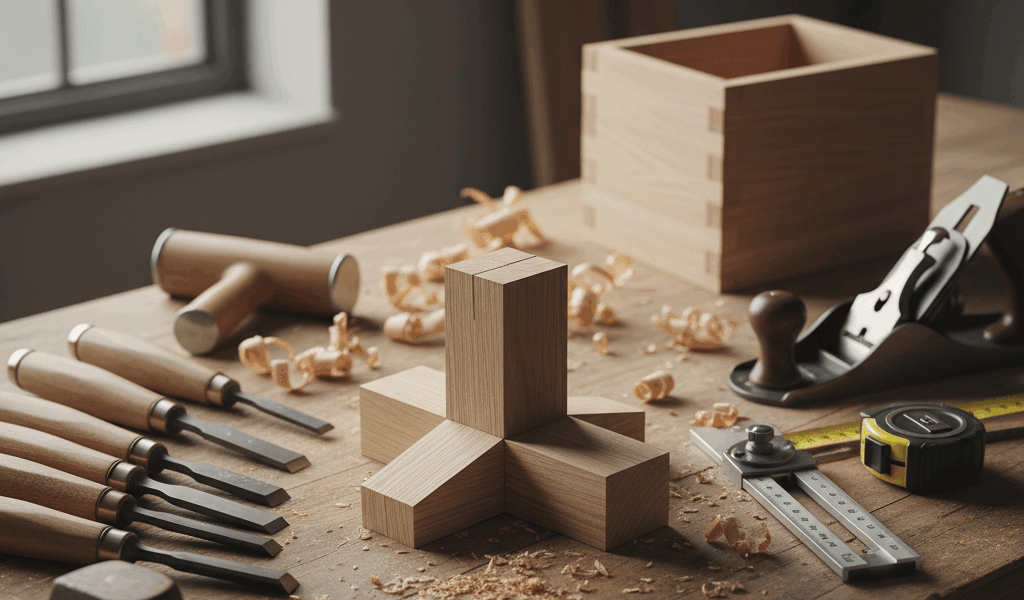
Wood Glue: Which One Actually Works Best
I’ve used pretty much every type of wood glue over the years. Some held up great. Others failed spectacularly. Here’s what I’ve learned about picking the right glue.
PVA Glue (The Default)
This is what most woodworkers use most of the time. Titebond, Gorilla Wood Glue, Elmer’s Carpenter’s – they’re all PVA.
PVA is easy to work with, dries clear, and creates a bond stronger than the wood itself. Seriously – the wood will break before the glue joint does (if you clamped properly). It cleans up with water while wet, which is nice.
Titebond III is my go-to. Waterproof enough for outdoor furniture if it’s under some protection. Regular Titebond Original works fine for indoor stuff and is cheaper.
Polyurethane Glue
Gorilla Glue is the famous one. It expands as it cures, which can fill gaps but also creates foam that squeezes out everywhere. It’s waterproof and bonds different materials together.
I use it when I need true waterproofing or when joining wood to something else. It requires moisture to cure – I usually dampen one surface slightly.
The squeeze-out is annoying. Let it dry completely then cut it off with a chisel. Don’t try to wipe it wet.
Epoxy
Two parts that mix together. Extremely strong and waterproof. Good for filling gaps because it doesn’t shrink. Also works for gluing wood to metal or plastic.
I use epoxy for repairs, especially when I can’t get a tight-fitting joint. It’s also my choice for anything that will be underwater or constantly wet.
Downsides: more expensive, limited working time, and you have to mix it right. Overkill for regular joinery.
Hide Glue
Old-school stuff made from animal collagen. Still used for fine furniture and instrument making because it’s reversible – you can loosen it with heat and steam.
I keep some liquid hide glue around for when I might need to take something apart later. Antique restoration practically requires it. The workmanship looks period-correct.
Not waterproof at all. Indoor use only.
CA Glue (Super Glue)
Bonds instantly, great for small repairs or tacking things in place. Not really a structural adhesive for joinery but useful in the shop.
I use thin CA for cracks and thicker CA for filling small voids. It’s brittle though – vibration and shock can break it.
What I Actually Keep Around
Titebond III for almost everything. Gorilla Glue for outdoor waterproof needs. Quick-set epoxy for repairs. That covers 99% of situations.
The key to any glue: clean surfaces, good clamping pressure, and enough curing time. Fancy glue can’t fix a bad joint.

Stay in the loop
Get the latest wildlife research and conservation news delivered to your inbox.