Oil finishes are underrated. No brush marks. Highlights grain. Easy to apply. Here’s the rundown.
Types
Tung oil – pure stuff dries slow but hard. Polymerizes into protective film. Classic choice.
Danish oil – tung or linseed with varnish mixed in. Faster dry. More protection. Less pure.
Boiled linseed – cheap, dries faster than raw. Works fine for utility pieces.
Teak oil – marketing name usually. Varies by brand. Read the ingredients.
Application
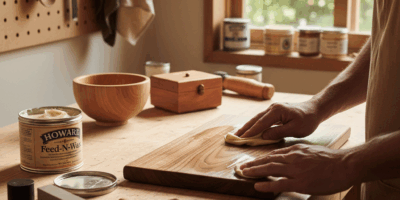
Flood the surface. Let it soak. Wipe off excess. That’s basically it.
Multiple thin coats beat one thick coat. Build up protection over time.
Sand between coats with high grit. 320 or finer. Removes dust nibs.
Dry Time
Pure oils take days between coats. Sometimes a week. Plan accordingly.
Modified oils with dryers cure overnight usually. Still wait full time before use.
Best Uses
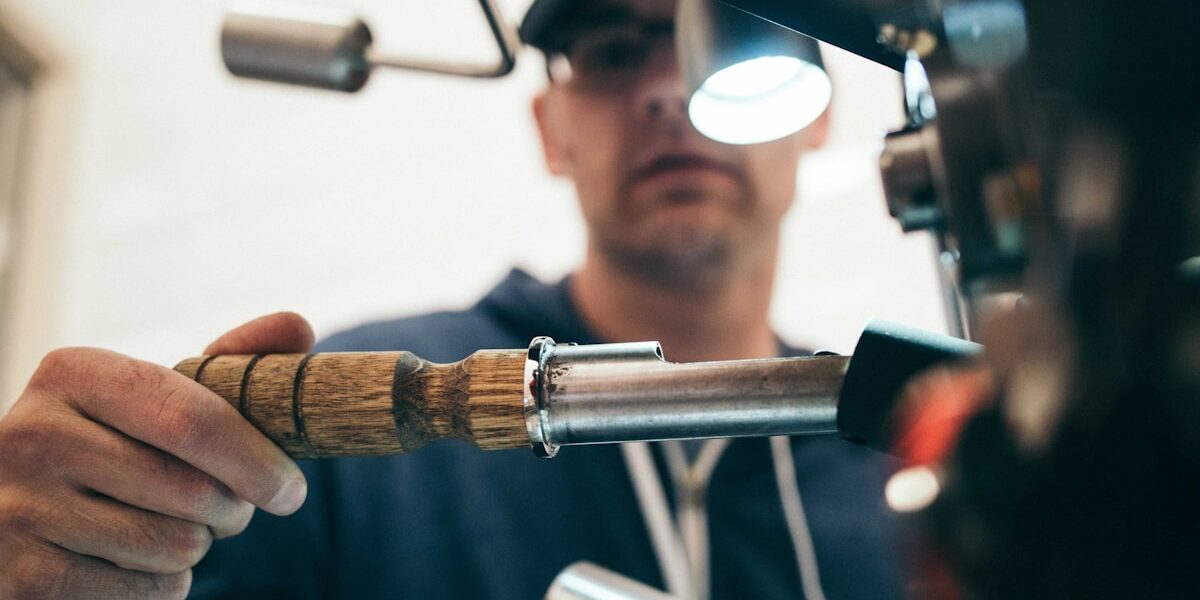
Tool handles. Cutting boards. Furniture you want to feel like wood, not plastic.
Not great for high-wear surfaces or water exposure. Table tops that get drinks need harder finish.
Maintenance
Reapply annually for heavy use items. Just wipe on fresh oil. No stripping needed.
Scratches blend in with fresh oil. Self-healing in a way. Forgiving finish.

Stay in the loop
Get the latest classic custom wood furniture updates delivered to your inbox.