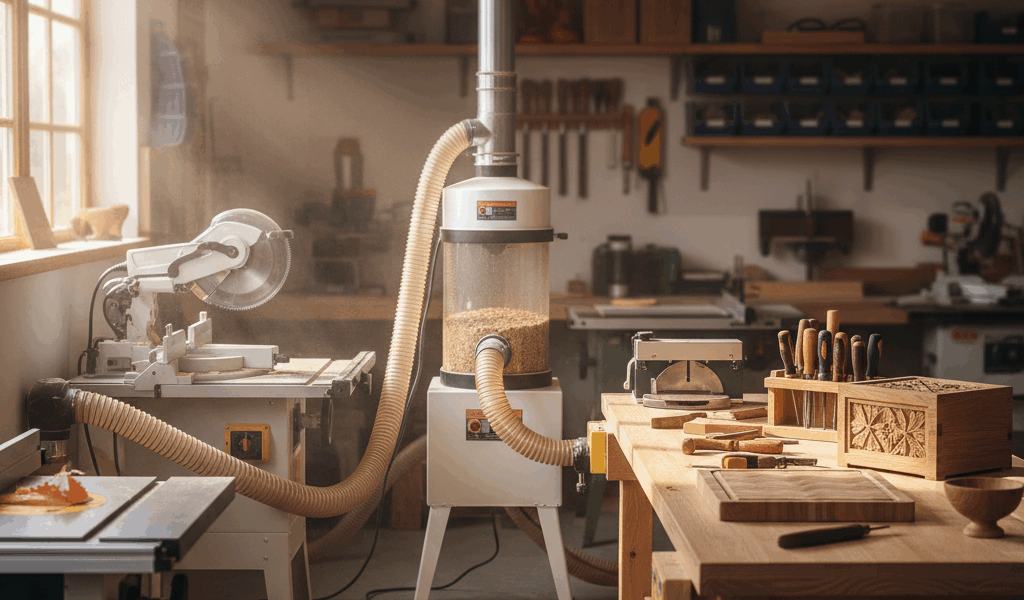
Old tools often come with rust. I’ve cleaned up dozens of garage sale finds using vinegar, and it works better than you’d expect for something that costs a dollar a gallon.
How It Works
White vinegar is acetic acid. It dissolves rust (iron oxide) without attacking the underlying steel. The rust converts to a water-soluble compound that wipes off.
It’s slower than chemical rust removers but cheaper and less toxic. Good tradeoff for patient people.
The Process
Submerge the rusty tool completely in vinegar. A plastic container works – don’t use metal. Let it soak 12-24 hours for light rust, longer for heavy buildup.
After soaking, scrub with a brass brush or steel wool. The rust should come off easily. Rinse well with water, dry immediately, and oil the surface to prevent new rust.
What It Won’t Do
Vinegar removes rust but doesn’t remove pitting. If rust has eaten into the metal, those marks stay even after the rust is gone. Deep pitting affects tool function – a pitted hand plane sole won’t glide smoothly.
For valuable or heavily damaged tools, electrolytic rust removal or professional restoration might be worth the extra effort.
Prevention
Once clean, keep tools dry. A light coat of paste wax, tool oil, or even WD-40 prevents new rust from forming. Store tools in a climate-controlled space when possible.
Silica gel packets in toolboxes help absorb moisture. A piece of camphor or a block of chalk works too.
Scaling Up
For large tools that won’t fit in a container, soak rags in vinegar and wrap them around the rusty areas. Cover with plastic to keep them wet. Check and rewet daily. Takes longer but works.

Stay in the loop
Get the latest classic custom wood furniture updates delivered to your inbox.