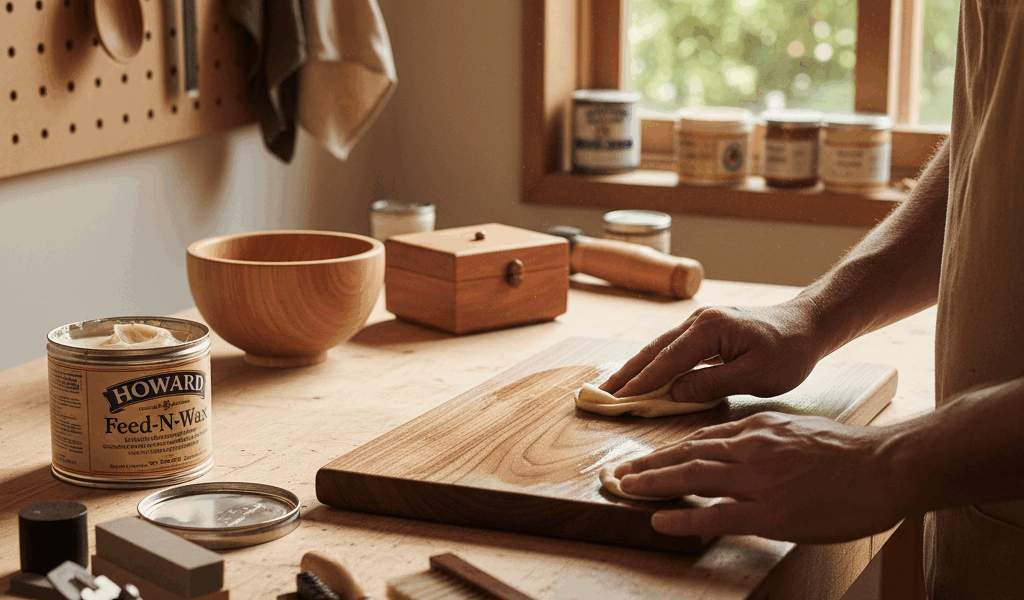
Wax finishes have gotten complicated with all the boutique blends and specialty products flying around. As someone who has been finishing furniture for the better part of two decades, I learned everything there is to know about paste wax application for wood protection. Today, I will share it all with you.
What Wax Actually Does for Wood
Let me be straight with you. Wax is not a bulletproof finish. It is a soft protective coating that gives wood a beautiful low sheen and a silky feel that is hard to beat with any other finish. But on its own, it will not stand up to water rings or hot coffee mugs. That is the honest truth that a lot of finishing guides skip over.
Where wax really shines is as a final topcoat over another finish. I put paste wax over shellac, lacquer, and polyurethane all the time. It adds that extra something — a depth and feel that makes people run their hands across a tabletop just because they cannot help it. That’s what makes wax finishes endearing to us furniture makers — they turn a good finish into something people want to touch.
Types of Wax and When to Use Each One
Probably should have led with this section, honestly. Not all wax is the same, and picking the wrong one will frustrate you.
Paste wax is the most common choice and the one I reach for ninety percent of the time. Minwax paste wax is affordable and works great. Beeswax is a natural option that smells incredible while you are working with it. I use it on pieces where I want that hand-rubbed artisan feel. It is softer than other waxes though, so keep that in mind.
Carnauba wax is the hard stuff. It comes from palm leaves and adds real durability to a wax finish. Most commercial paste waxes are actually blends that combine the easy application of softer waxes with the hardness of carnauba. Briwax is a popular blend that a lot of woodworkers swear by, myself included for certain projects.
I have also experimented with microcrystalline wax, which is a petroleum-based product that buffs out to a gorgeous sheen. Renaissance wax falls in this category and is what museums use on antique furniture. If it is good enough for a Chippendale highboy in the Smithsonian, it is good enough for my projects.
Application Process — Getting It Right
The application itself is straightforward, which is part of the appeal. Apply a thin coat with a soft cotton cloth or cheesecloth. I tear up old t-shirts for this — the soft cotton works perfectly and it costs nothing. Fold the cloth into a pad and work the wax into the wood using circular motions.
Thin coats are everything here. I see people glob it on thinking more is better. It is not. You will just end up with a sticky mess that takes forever to dry and buffs unevenly. One thin coat, let it dry to a haze — usually ten to fifteen minutes depending on the product and humidity — then buff with a clean cloth or a buffing wheel on your drill.
Repeat for more protection. I typically do two to three coats on furniture, buffing between each one. By the third coat, the surface develops this incredible depth that you simply cannot get with a single application.
Maintenance Over Time
Here is where wax really wins compared to other finishes. Maintenance is dead simple. You just reapply periodically — maybe once or twice a year for a dining table, less for pieces that do not get heavy use. Wax buffs out minor scratches easily, which means your finish stays looking fresh without any sanding or stripping.
Before you reapply, give the piece a light cleaning with a damp cloth to remove any dust or grime. Do not use furniture sprays with silicone — they will mess up future applications. Just water and maybe a tiny drop of dish soap if the piece is grimy.
The beautiful thing about wax is that it builds over time. An antique table that has been waxed regularly for decades develops a patina that you simply cannot replicate any other way. Every coat adds to the story of the piece. I have a workbench that has been getting a coat of paste wax twice a year for twelve years now, and the surface has this warm glow that makes even beat-up pine look special.



Stay in the loop
Get the latest classic custom wood furniture updates delivered to your inbox.