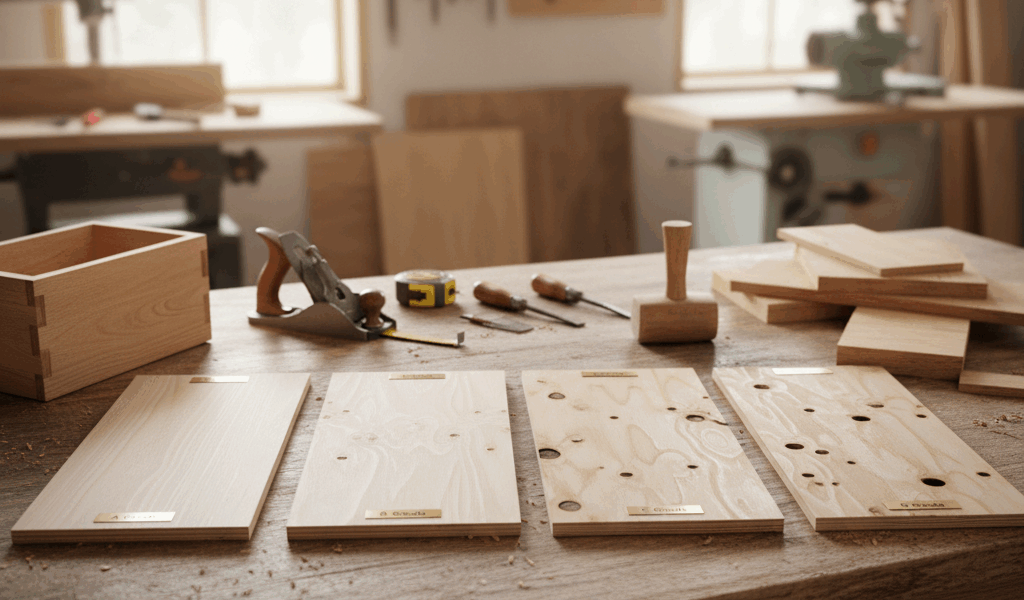
I’d ignored wax for years, thinking polyurethane was always better. Then I restored a 1920s table and learned why wax still matters.
What Wax Does
Wax doesn’t build a hard protective film like poly or lacquer. It sits on the surface, creates a soft luster, and provides modest protection against moisture and scratches. It also makes the wood feel incredible – smooth and warm in a way that film finishes don’t.
For antiques, hand-rubbed furniture, and pieces that benefit from a natural look, wax is the right choice.
Types of Wax
Paste wax is the standard. Johnson’s, Briwax, Minwax – they’re all similar. Beeswax-based products have a warmer color. Carnauba-based is harder and shinier.
Liquid wax goes on easier but doesn’t build as much protection.
Colored wax can tint the wood or fill pores with contrasting color. Good for antiquing effects or blending repairs.
Application
Start with clean, dry wood. If there’s old wax, remove it with mineral spirits first. Apply wax with a cloth or 0000 steel wool in a circular motion. Work it into the grain.
Let it haze for 15-20 minutes, then buff with a clean soft cloth. More buffing means more shine. The shine comes from mechanical polishing, not from the wax itself.
Multiple Coats
One coat provides basic protection. Two or three coats build more luster and durability. Let each coat dry fully before adding the next.
Maintenance
Wax needs occasional renewal – every six months for frequently used surfaces, less for decorative pieces. Dust regularly. The beauty of wax is that you can always add more without stripping the old finish.
When Not to Use Wax
Kitchen tables, anything that sees water, outdoor furniture – wax won’t hold up. Use film finishes instead. But for a bookcase, desk, or heirloom piece, wax provides a finish that looks and feels like real furniture should.

Stay in the loop
Get the latest classic custom wood furniture updates delivered to your inbox.