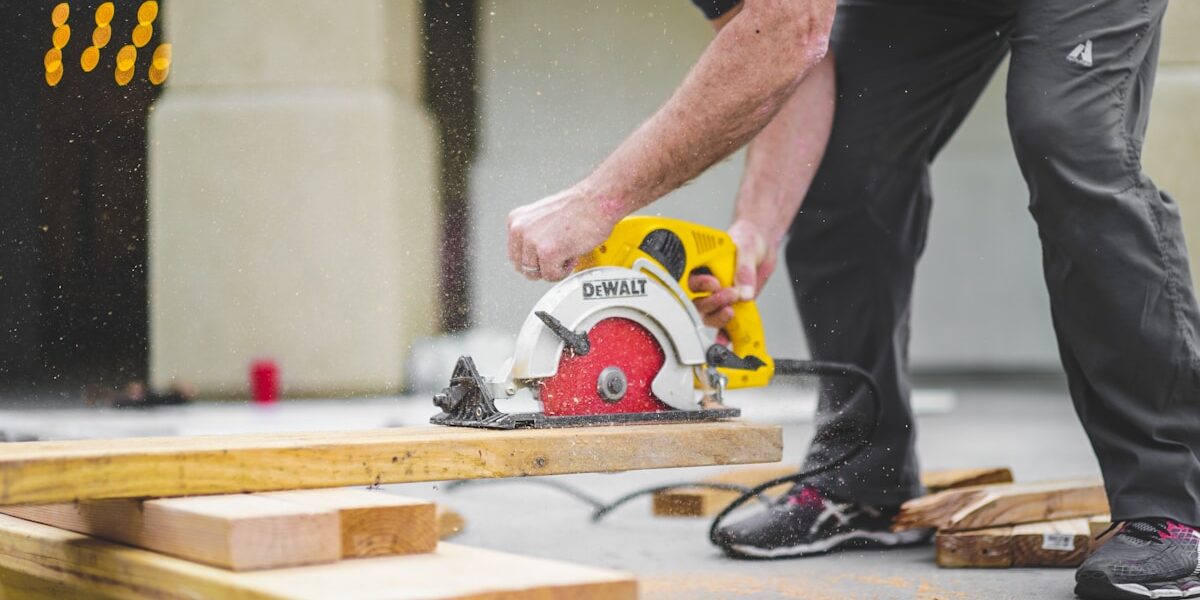
As someone who used Helmsman Spar Urethane on a garden bench last year that still looks great, I learned everything there is to know about applying this stuff properly. Today, I will share it all with you. Because outdoor wood finishes has gotten complicated with all the products flying around, and Helmsman is one that actually delivers on its promises.
What It’s Good For
Outdoor wood that needs to look nice. Garden furniture, exterior doors, deck railings, planters. Not structural lumber — that needs a different treatment entirely.
UV protection is the main selling point. Regular polyurethane yellows and cracks in sunlight, sometimes within a single season. Helmsman resists that. Not forever, but significantly longer than standard poly.
Surface Prep — Don’t Skip This
Sand to 180 grit. Don’t go finer — the finish needs tooth to grip. Wipe with mineral spirits afterward to remove dust and any surface oils.
Bare wood is best. If there’s old finish on the piece, strip it or sand it completely. Applying Helmsman over failing finish just traps the problem underneath and it’ll peel eventually. That’s what makes surface prep endearing to us finish enthusiasts — doing it right means the coating actually lasts.
How I Apply It
Thin coats. Cannot stress this enough. Thick coats bubble, stay tacky, and never cure properly. I’ve made this mistake exactly once and spent hours stripping the mess off.
I use a foam brush. Cheap, leaves no brush marks, and you throw it away when you’re done. Natural bristle brushes work too but require more technique to avoid marks.
Three coats minimum for outdoor pieces. Sand lightly between coats with 220 grit. Give extra attention to end grain and horizontal surfaces — water hits these hardest and they need the most protection.
Patience with Dry Times
Touch dry in a few hours. Recoat in 24 hours. Full cure takes a week or more. Don’t put anything on the surface until it’s fully cured.
Probably should have led with this section, honestly. Humidity matters a lot. High humidity means longer dry times. I’ve waited three days between coats during humid summers. Rushing it leads to a sticky, soft finish that never properly hardens.
Keeping It Looking Good
Annual maintenance is key. Light sanding and one fresh coat each spring keeps the finish looking solid. Skip this step and you’ll be stripping and starting over in about three years. A few hours of maintenance each year saves days of restoration work down the road.

Stay in the loop
Get the latest classic custom wood furniture updates delivered to your inbox.