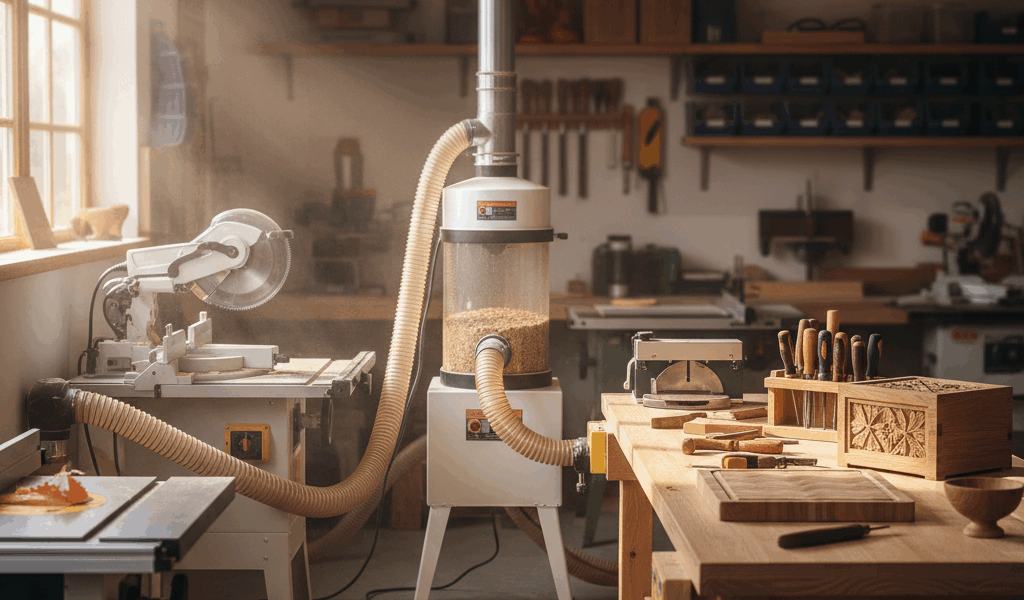
Build Your Dream Knock Down Workbench at Home
Knock down workbenches have gotten complicated with all the conflicting advice about joinery, materials, and whether you even need one. As someone who has built several of these portable benches and used them in cramped garages and basement shops, I learned everything there is to know about making one that actually works for your space. Today, I will share it all with you.
What Makes a Knock Down Workbench Different
A knock down workbench can be disassembled and reassembled without tools or with minimal hardware. This matters if you work in a shared space, move frequently, or simply need to reclaim floor space when you’re not woodworking.
The Basic Components
- Top surface: Solid wood or laminated panels—needs to be flat and sturdy
- Legs: Often designed with wedged tenons or tusk tenons for tool-free assembly
- Stretchers: Connect the legs and provide rigidity
- Fasteners: Traditional designs use wooden wedges; modern versions might use bolts or cam locks
Material Choices
Probably should have led with this section, honestly. Your material choice affects everything from weight to durability.
- Hardwood (maple, oak, beech): Traditional choice, heavy but durable, develops character over time
- Construction lumber (2x4s, 2x6s): Budget-friendly, widely available, works fine for most hobby use
- MDF or plywood tops: Flat and stable, but doesn’t hold up to abuse like solid wood
Why Build One
That’s what makes knock down benches endearing to us woodworkers—they solve real problems. You can build a solid workbench that stores flat against a wall when you need to park the car. You can take it to a jobsite. You can move it to your next apartment without hiring movers for a 300-pound monolith.
Portability
The pieces stack flat or bundle together. One person can carry them. This matters more than most plans acknowledge.
Simpler Assembly
Traditional joinery like tusk tenons requires no hardware at all—just wooden wedges. A beginner can build one with basic tools. No need for complicated mortising setups if you design around your skill level.
Common Uses
Woodworking
A stable surface that accepts clamps is essential. The ability to disassemble it means you can adjust or repair the bench as needed without destroying your work.
General Shop Work
Assembly, finishing, electronics, gardening prep—any task requiring a flat, sturdy surface benefits from a proper workbench. The knock down design just adds flexibility.
Features That Matter
Weight Capacity
The bench needs to handle whatever you’re building plus clamping forces. Beefy stretchers and well-fitted joints provide rigidity without permanent fasteners.
Height
Standard bench height (34-36 inches) works for most people, but the beauty of building your own is customizing to your body. Measure from floor to your wrist with your arm hanging naturally—that’s a good starting height for hand tool work.
Flatness
A flat top matters more than almost anything else. Take time to flatten your benchtop during construction. It’s much harder to fix later.
DIY Build Basics
Materials
- Plywood or laminated boards for the top (3/4″ minimum, preferably thicker)
- 4×4 or laminated 2×4 lumber for legs
- 2×4 or 2×6 lumber for stretchers
- Hardwood wedges for tusk tenons (or bolts if you prefer)
- Finish of your choice (or none—workbenches don’t need to be pretty)
Basic Process
- Cut all pieces to size, keeping joints in mind
- Cut mortises for the tusk tenons or drill holes for bolts
- Assemble dry to test fit
- Make adjustments until everything pulls tight
- Apply finish if desired, especially to end grain
Building your own allows customization to your space and work style. The project itself teaches skills you’ll use on everything afterward.
Worth Considering
Knock down workbenches trade some rigidity for portability. If you never need to move it, a traditional bench with glued joints will be stiffer. But for most of us working in imperfect spaces, the flexibility of a knock down design solves real problems without sacrificing much functionality.

Stay in the loop
Get the latest classic custom wood furniture updates delivered to your inbox.