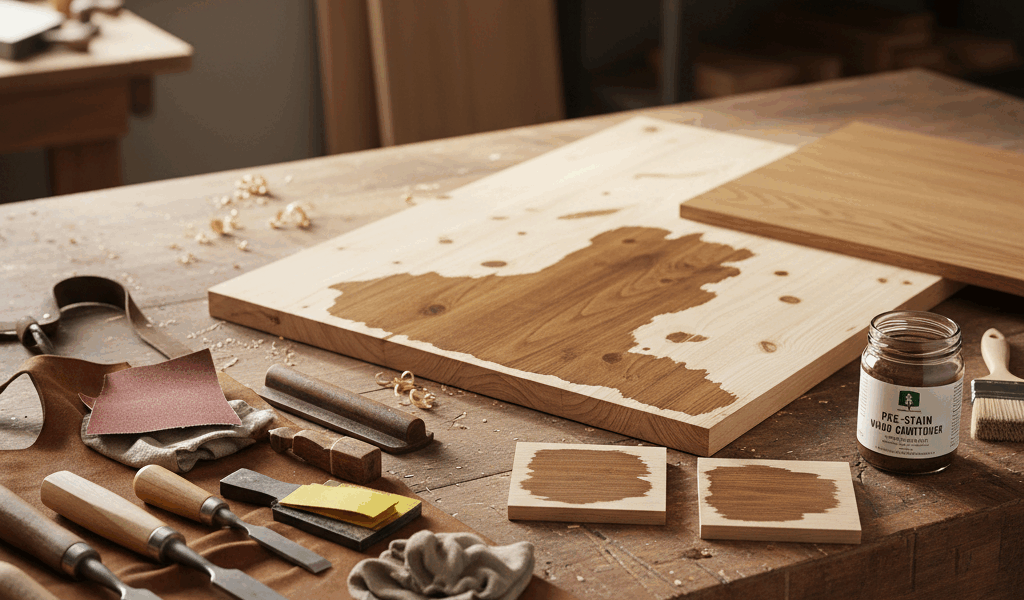
Found an old dresser in a damp basement with mildew on it. Here’s how I brought it back.
Assessment First
Mildew is surface growth – black or gray spots that haven’t penetrated deep into the wood. True mold is worse, with roots that go into the material. For mildew, cleaning works. For deep mold, you might be fighting a losing battle.
If the piece smells musty even after cleaning, the problem is deeper than the surface.
The Cleaning Process
Work outdoors or in a well-ventilated area. Wear a mask – mildew spores aren’t healthy to breathe.
Mix one part white vinegar with one part water. Spray or wipe on the affected areas. Let it sit 10-15 minutes, then scrub with a brush. The vinegar kills the mildew and helps neutralize the smell.
For stubborn spots, make a paste of baking soda and water. Apply, let dry, brush off. This is mildly abrasive and deodorizing.
Bleach Alternative
Diluted bleach (1:10 with water) works faster but can lighten wood color. I avoid it on finished furniture but use it on unfinished wood that I’m planning to refinish anyway.
Drying Completely
This is the key. Mildew needs moisture. After cleaning, let the piece dry completely – several days in a warm, dry area with good airflow. Point a fan at it. Moisture meters can confirm when it’s actually dry.
Preventing Return
Don’t put the furniture back in the damp environment that caused the problem. If that’s unavoidable, improve ventilation, use a dehumidifier, and seal the wood to prevent moisture absorption.
When to Walk Away
If the mildew smell persists after thorough cleaning and drying, or if you see mold deep in joints and crevices, the piece may not be salvageable. Sometimes the best decision is to let it go.



Stay in the loop
Get the latest classic custom wood furniture updates delivered to your inbox.